

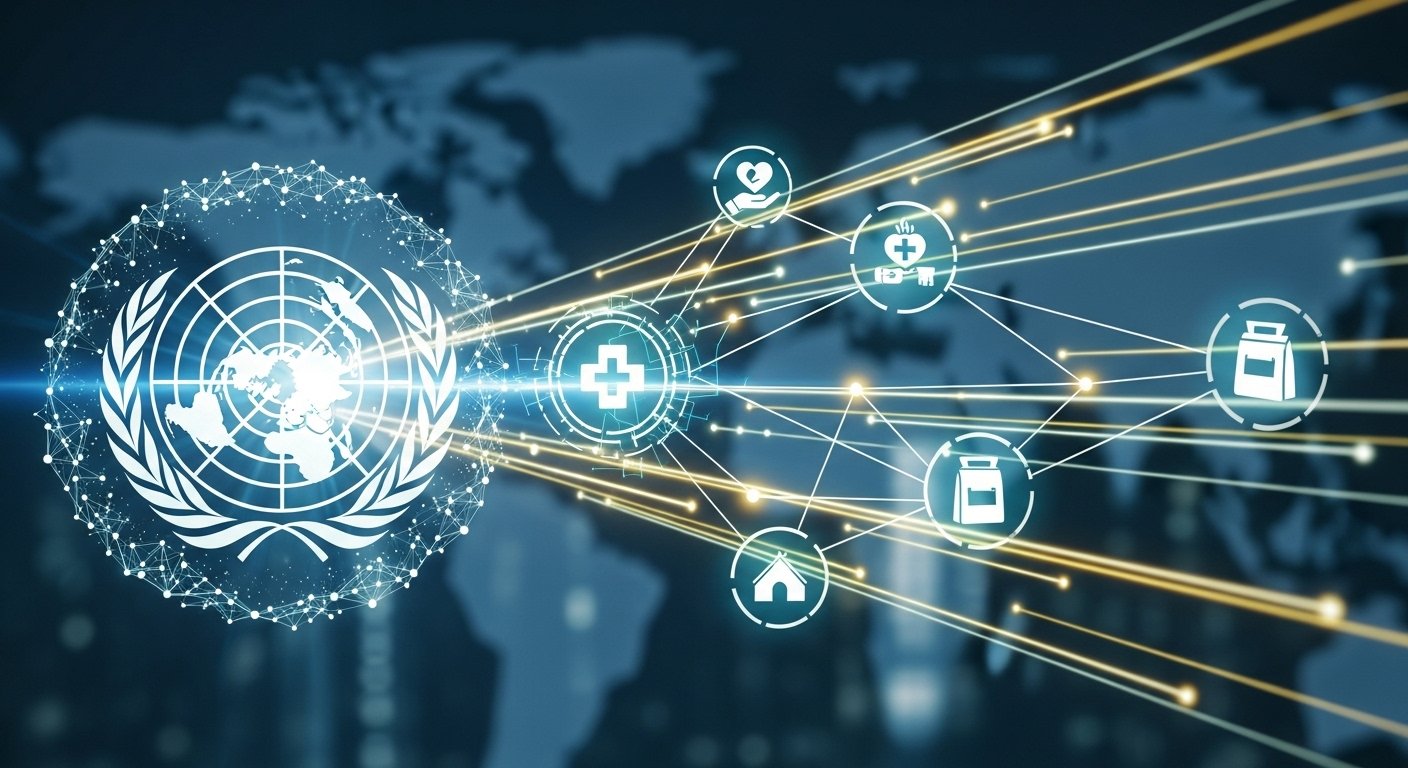
Across refugee camps, disaster zones, and vulnerable communities, aid delays can mean the difference between stability and catastrophe. The initiative where the United Nations taps blockchain to speed up aid aims to reduce administrative bottlenecks, eliminate fraud, and ensure resources reach those who need them most. As digital transformation reshapes industries worldwide, the humanitarian sector is now embracing blockchain-powered aid distribution, marking a significant milestone in global development.
How United Nations Taps Blockchain to Speed Up Aid
The move by the United Nations to adopt blockchain technology represents a bold step toward modernizing humanitarian logistics. Traditionally, aid distribution has relied on complex layers of intermediaries—banks, local agencies, and third-party contractors. While necessary, these layers often slow down delivery and increase operational costs.
By using blockchain, the United Nations taps blockchain to speed up aid through secure, decentralized digital ledgers. Every transaction is recorded transparently and cannot be altered, ensuring accountability. This means that funds transferred for food assistance, shelter, or medical supplies can be tracked in real time.
A prominent example comes from the World Food Programme, which pioneered blockchain-based cash transfers for refugees. Through its Building Blocks initiative, beneficiaries can purchase food using biometric authentication linked to blockchain records. This innovation dramatically reduces banking fees and fraud risks while accelerating support.
The strategy shows how the United Nations taps blockchain to speed up aid not just as a tech experiment but as a practical solution to systemic inefficiencies in humanitarian response.
Why Blockchain Is Transforming Humanitarian Aid
Transparency and Accountability in Aid Distribution
One of the biggest challenges in global relief efforts is ensuring funds are used as intended. Corruption, mismanagement, and lack of visibility can erode trust among donors and recipients alike.
When the United Nations taps blockchain to speed up aid, it strengthens transparency by creating immutable transaction records. Donors can verify where their contributions go, and agencies can monitor supply chains from origin to delivery. This level of traceability builds confidence in digital humanitarian aid systems.
Blockchain’s decentralized structure also minimizes reliance on single institutions, reducing vulnerability to manipulation. In regions with fragile financial infrastructure, this can be transformative.
Faster Cross-Border Transfers
Humanitarian crises often span borders. Sending funds internationally can involve currency conversions, compliance checks, and banking delays. These processes can take days—or even weeks.
Through blockchain-based humanitarian assistance, transactions occur almost instantly. Digital wallets replace traditional bank transfers, reducing friction and enabling quicker relief deployment. The initiative where the United Nations taps blockchain to speed up aid demonstrates how technology can bypass outdated systems and deliver real-time impact.
Real-World Applications of Blockchain in UN Aid Programs
The effort where the United Nations taps blockchain to speed up aid is not theoretical—it is already in action. In refugee camps across the Middle East, blockchain platforms allow families to access food assistance without cash or cards. Identity verification through biometrics ensures secure access, while blockchain records every purchase.
This system eliminates the need for intermediary banks, significantly lowering transaction costs. Savings can then be redirected to serve more people. Additionally, blockchain enhances data security, protecting sensitive beneficiary information.
Beyond food distribution, blockchain is being explored for supply chain tracking, digital identity management, and even climate-related disaster response funding. By leveraging blockchain in disaster relief, agencies can monitor shipments of medical supplies or construction materials, ensuring they arrive at intended destinations. The fact that the United Nations taps blockchain to speed up aid reflects a broader commitment to digital innovation in international development.
The Role of Digital Identity in Blockchain Aid
A critical component of blockchain-powered humanitarian assistance is digital identity. Millions of displaced individuals lack formal identification, making it difficult to access banking services or government programs.
When the United Nations taps blockchain to speed up aid, it integrates digital identity systems that allow beneficiaries to prove who they are securely. This ensures fair distribution and reduces duplication or fraud.
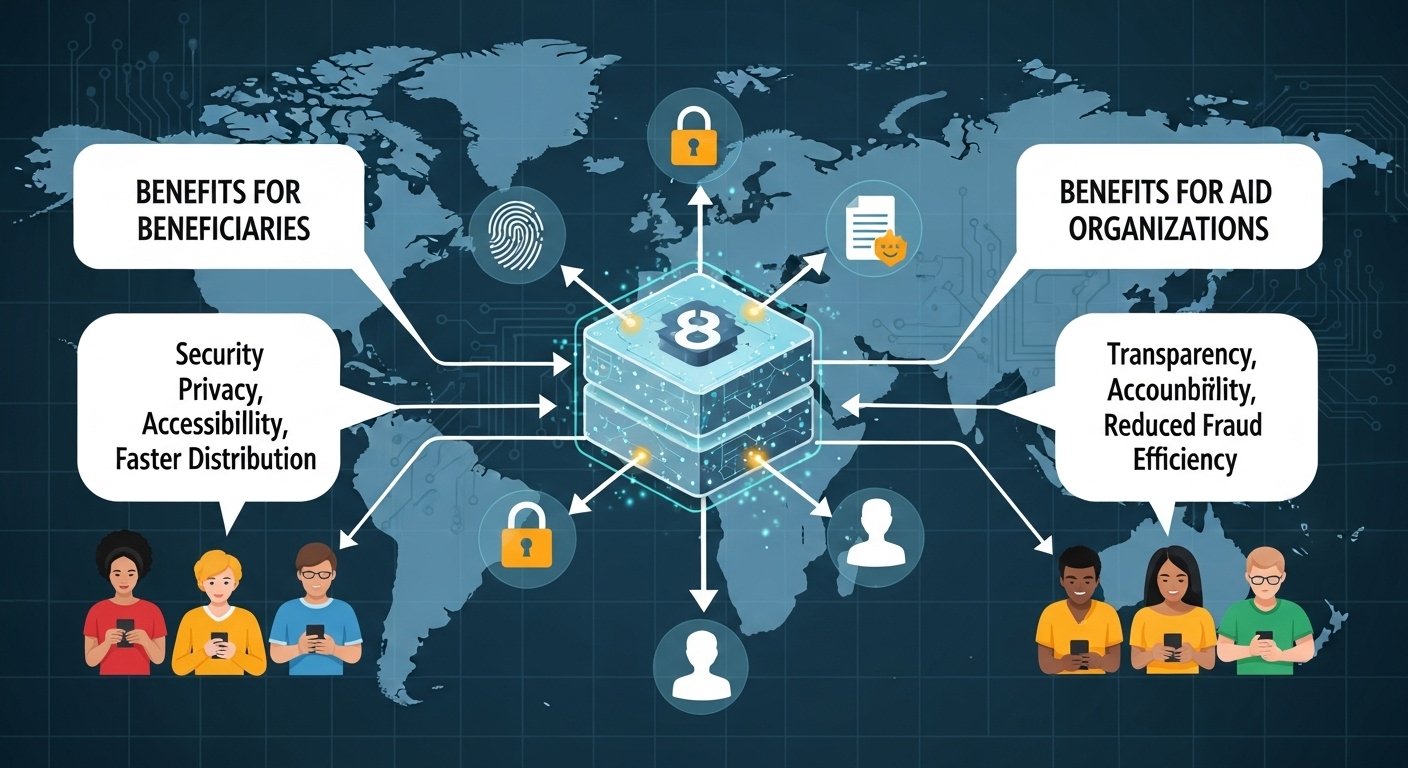
Blockchain-based identities are encrypted and stored securely, offering privacy while maintaining verification standards. This approach empowers vulnerable populations with portable, trusted digital credentials. The synergy between blockchain technology and humanitarian aid ensures that assistance is both efficient and inclusive.
Overcoming Challenges in Blockchain Adoption
Despite its promise, implementing blockchain in global aid systems is not without challenges. Infrastructure limitations, digital literacy gaps, and regulatory uncertainties can slow progress.
When the United Nations taps blockchain to speed up aid, it must collaborate with governments, tech providers, and local communities to ensure scalability. Connectivity issues in remote regions can hinder blockchain transactions, requiring hybrid systems that combine offline and online solutions.
Moreover, data protection regulations differ across countries. Ensuring compliance while maintaining transparency is a delicate balance. Nonetheless, the success of pilot programs suggests that these challenges are surmountable with proper planning.
Impact on Donors and Global Trust
The decision where the United Nations taps blockchain to speed up aid has implications beyond operational efficiency. It reshapes donor confidence and public trust.
Donors increasingly demand transparency and measurable impact. Blockchain’s verifiable records allow contributors to see how funds are allocated, reinforcing accountability. This can encourage greater philanthropic engagement and institutional investment.
Additionally, governments and NGOs observing these innovations may adopt similar systems, expanding the influence of blockchain-powered humanitarian aid worldwide.
The Future of Blockchain in Global Development
As technology evolves, the role of blockchain in humanitarian work is likely to expand. Artificial intelligence, Internet of Things devices, and digital payment platforms can integrate seamlessly with blockchain networks.
The movement where the United Nations taps blockchain to speed up aid could inspire a broader digital transformation in development finance. Smart contracts may automate fund releases once predefined conditions are met, reducing administrative workload.
Climate change, pandemics, and geopolitical conflicts will continue to test global resilience. By embracing innovative aid distribution technologies, international organizations can respond more effectively to complex emergencies.
United Nations Taps Blockchain to Speed Up Aid: A New Era of Efficiency
The phrase United Nations taps blockchain to speed up aid encapsulates more than a technological upgrade—it represents a shift in humanitarian philosophy. Efficiency, transparency, and accountability are no longer optional; they are essential.
Blockchain’s immutable ledger fosters trust among stakeholders, while digital wallets streamline transactions. From refugee camps to disaster-stricken communities, faster aid delivery saves lives.
As more UN agencies explore blockchain applications, collaboration with private-sector innovators will be crucial. Public-private partnerships can accelerate development and refine digital infrastructure.
Conclusion
The initiative where the United Nations taps blockchain to speed up aid marks a defining moment in global humanitarian strategy. By combining transparency, speed, and security, blockchain transforms how assistance reaches vulnerable communities.
In a world where crises demand immediate action, adopting cutting-edge technology is not just innovative—it is necessary. As blockchain continues to evolve, its integration into humanitarian systems could set new standards for efficiency and trust.
