


For decades, cross-border payments have been plagued by high fees, slow settlement times, and limited transparency. Now, blockchain-powered cross-border payments are reshaping that reality. The conversation at Sibos 2025: How blockchain is unlocking borderless transactions highlighted how distributed ledger technology is enabling real-time settlements, improving liquidity management, and reducing reliance on complex correspondent banking networks. As global commerce accelerates, the demand for seamless, secure, and cost-efficient international transfers is pushing financial institutions toward a borderless future powered by blockchain.
Sibos 2025: How Blockchain Is Unlocking Borderless Transactions in Global Finance
The focus on Sibos 2025: How blockchain is unlocking borderless transactions reflects a broader transformation underway in international finance. Cross-border transactions have traditionally required multiple intermediaries, each adding costs and delays. Blockchain replaces fragmented systems with a shared, immutable ledger accessible to authorized participants.
By leveraging distributed ledger technology (DLT), banks can execute near-instant international payments without reconciling multiple ledgers. This dramatically reduces settlement risk and enhances transparency. Discussions at Sibos emphasized how financial institutions are integrating blockchain into core payment infrastructures rather than treating it as a peripheral innovation.
Major payment networks and banking alliances are collaborating with organizations like SWIFT to test interoperability between traditional messaging systems and blockchain networks. The result is a hybrid financial ecosystem where legacy systems coexist with digital ledgers, enabling smoother transitions toward borderless finance.
The emphasis on blockchain in global payments during the event underscored its practical value. Instead of speculative use cases, panels focused on live pilots, regulatory frameworks, and institutional adoption.
The Evolution of Cross-Border Payments Before Blockchain
To understand why Sibos 2025: How blockchain is unlocking borderless transactions matters, it helps to revisit how cross-border payments traditionally worked. International transfers often move through correspondent banking chains. A payment initiated in one country may pass through multiple intermediary banks before reaching the recipient.
Each intermediary verifies compliance requirements, deducts fees, and updates its internal ledger. This process can take several days, particularly when time zones, currency conversions, and regulatory reviews are involved. Lack of transparency means senders rarely know the exact cost or timeline of their transfer.
Blockchain disrupts this system by allowing participants to share a synchronized ledger. When a transaction occurs, it is validated and recorded across the network simultaneously. There is no need for repeated reconciliation. This efficiency is central to Sibos 2025: How blockchain is unlocking borderless transactions, as financial institutions seek to modernize outdated infrastructures.
How Blockchain Enables Borderless Transactions
Real-Time Settlement and Reduced Costs
One of the core themes at Sibos 2025: How blockchain is unlocking borderless transactions was real-time settlement. With blockchain, transactions can be executed and settled within minutes—or even seconds—rather than days.
Smart contracts automatically verify and execute payment conditions, eliminating manual intervention. This reduces operational costs and minimizes errors. For multinational corporations managing complex supply chains, this capability improves cash flow predictability and liquidity management.
By eliminating intermediaries, blockchain cross-border transactions significantly reduce transaction fees. For migrant workers sending remittances home, lower costs translate directly into greater financial inclusion.
Enhanced Transparency and Security
Transparency is another pillar of Sibos 2025: How blockchain is unlocking borderless transactions. Every transaction recorded on a blockchain network is time-stamped and immutable. Participants can trace the movement of funds in real time.
Security is reinforced through cryptographic protocols. Unlike centralized databases vulnerable to single points of failure, decentralized networks distribute data across multiple nodes. This makes unauthorized tampering extremely difficult.
Financial institutions at Sibos highlighted how combining blockchain with advanced cybersecurity measures strengthens resilience against fraud and cyber threats.
Institutional Adoption Takes Center Stage at Sibos 2025
At Sibos, the shift from experimentation to institutional adoption was evident. Leading banks and fintech firms presented case studies showcasing successful blockchain deployments for trade finance, remittances, and wholesale payments.
The collaboration between blockchain networks and central banks also received attention. The Bank for International Settlements has been actively exploring central bank digital currencies (CBDCs). These digital currencies, often built on blockchain or similar technologies, aim to facilitate efficient cross-border transactions between jurisdictions.
Discussions also referenced initiatives within the European Central Bank and other regulatory bodies exploring digital euro frameworks. These developments align closely with the vision behind Sibos 2025: How blockchain is unlocking borderless transactions, as policymakers seek scalable and compliant digital payment infrastructures.
The message was clear: blockchain is no longer confined to startups. It is now embedded in the strategic roadmaps of global financial institutions.
Blockchain and Financial Inclusion
Another major theme woven into Sibos 2025: How blockchain is unlocking borderless transactions was financial inclusion. Millions of people worldwide remain unbanked or underbanked. Cross-border payments, particularly remittances, often carry disproportionately high fees.
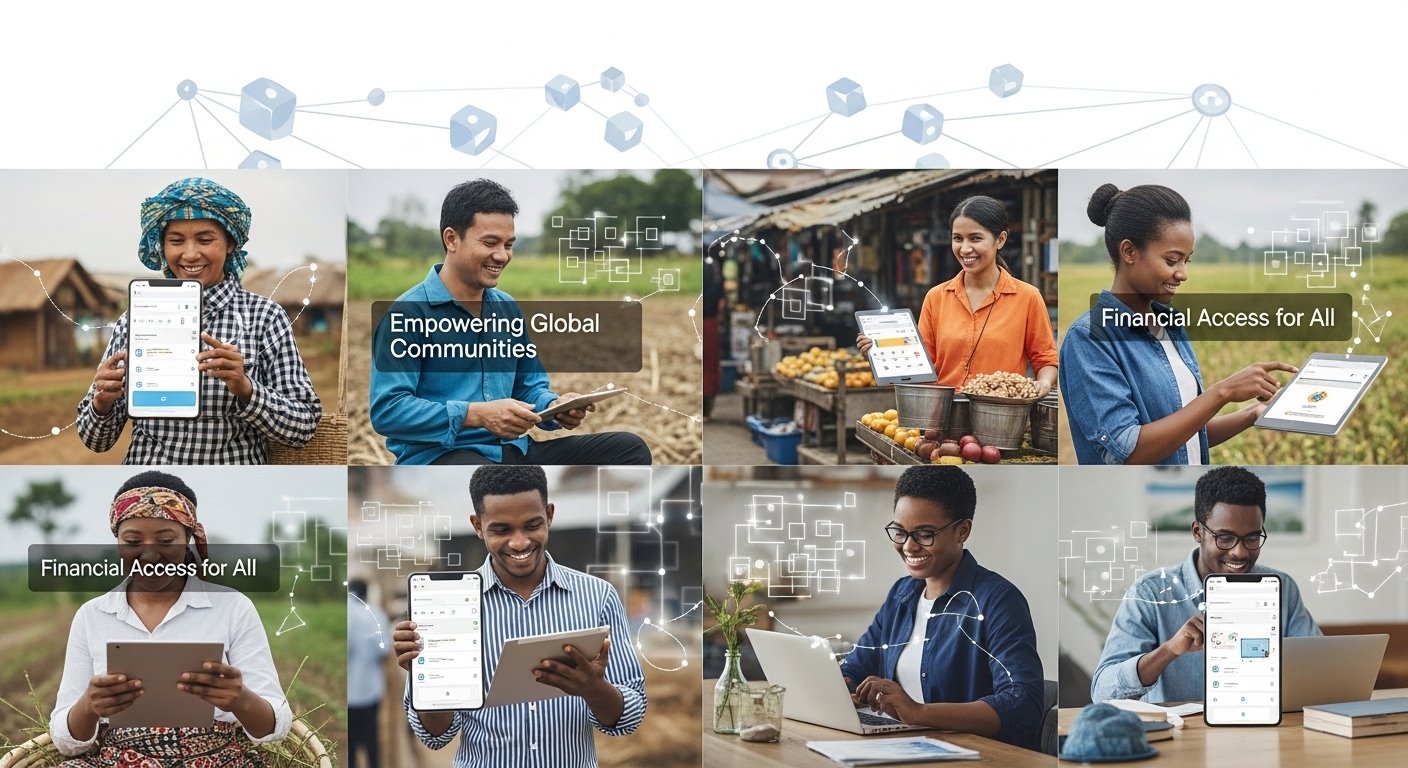
Blockchain-based payment systems can operate through mobile devices, reducing the need for traditional banking infrastructure. This opens access to secure financial services in remote or underserved regions.
Digital wallets linked to blockchain networks allow individuals to send and receive funds internationally with minimal friction. This democratization of financial access aligns with global development goals and reflects the transformative potential discussed at Sibos.
By reducing entry barriers, blockchain-enabled international payments empower small businesses and entrepreneurs to participate in global markets.
Regulatory Challenges and Compliance Considerations
While enthusiasm was strong, Sibos 2025: How blockchain is unlocking borderless transactions also addressed regulatory complexities. Cross-border payments intersect with anti-money laundering (AML) rules, know-your-customer (KYC) requirements, and data protection laws.
Blockchain’s transparency can enhance compliance, but harmonizing regulations across jurisdictions remains challenging. Financial institutions must ensure interoperability between blockchain platforms and existing regulatory frameworks.
Collaboration between regulators and private-sector innovators is critical. Sandbox programs and pilot initiatives provide opportunities to test blockchain solutions within controlled environments.
Speakers at Sibos emphasized that regulatory clarity will accelerate adoption. As frameworks mature, blockchain’s integration into mainstream banking is expected to deepen.
The Role of Stablecoins and CBDCs in Borderless Finance
Stablecoins and central bank digital currencies were prominent in discussions surrounding Sibos 2025: How blockchain is unlocking borderless transactions. Stablecoins, pegged to fiat currencies, enable fast and relatively stable digital payments across borders.
Meanwhile, CBDCs represent sovereign-backed digital currencies that could streamline cross-border settlements between central banks. These instruments reduce reliance on correspondent banking networks and enhance liquidity efficiency.
The interplay between private-sector stablecoins and public-sector CBDCs may define the next chapter of global finance. By leveraging blockchain infrastructure, both models aim to support secure, transparent, and scalable international transactions.
Interoperability: The Key to Global Blockchain Adoption
Interoperability emerged as a decisive factor in Sibos 2025: How blockchain is unlocking borderless transactions. Without seamless communication between blockchain networks and traditional financial systems, adoption would remain fragmented.
Developers are building bridges that allow assets and data to move across different blockchain ecosystems. Financial institutions are also investing in standards that ensure compatibility.
This focus on interoperability ensures that blockchain does not operate in isolation but integrates into existing financial architecture. The ultimate goal is a cohesive, borderless financial ecosystem.
Environmental Considerations and Sustainable Blockchain
Sustainability was another topic woven into Sibos 2025: How blockchain is unlocking borderless transactions. Critics have pointed to the energy consumption of certain blockchain networks. However, many modern systems utilize energy-efficient consensus mechanisms.
Financial institutions are increasingly adopting proof-of-stake and other low-energy models to align with environmental, social, and governance (ESG) commitments. Sustainable blockchain innovation ensures that the push toward borderless finance does not compromise climate objectives.
The Future Outlook Beyond Sibos 2025
As the conference concluded, the vision articulated in Sibos 2025: How blockchain is unlocking borderless transactions extended far beyond the event itself. Industry leaders projected that blockchain will underpin next-generation payment infrastructures, trade finance platforms, and digital identity systems.
Artificial intelligence and blockchain integration may further enhance fraud detection and automated compliance. Real-time cross-border settlement could become the norm rather than the exception.
The financial landscape is evolving rapidly. Institutions that adapt to blockchain-driven transformation will likely gain competitive advantages in speed, efficiency, and customer trust.
Conclusion
The discussions at Sibos 2025: How blockchain is unlocking borderless transactions made one thing unmistakable: blockchain is redefining global finance. From faster settlements and lower fees to enhanced transparency and inclusion, its impact is far-reaching.
As regulatory clarity improves and interoperability advances, blockchain’s role in international payments will continue to expand. Financial institutions, fintech startups, and policymakers must collaborate to ensure scalable and secure implementation.
See more: Bitcoin Late 2022 Bear Market Bottom Signal Returns
