

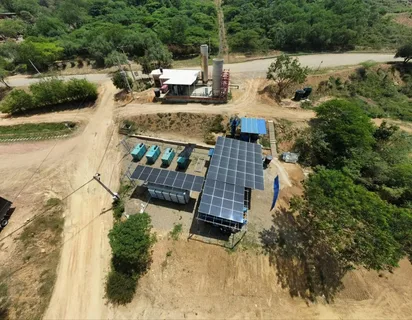
As the world accelerates toward cleaner energy and decentralized finance grows in prominence, the concept behind ENGIE Weighs Bitcoin Mining at Brazil Solar Plant signals a potential win-win model. Solar power often produces surplus electricity during peak sunlight hours. Instead of curtailing production or selling excess power at discounted rates, energy producers can channel that electricity into Bitcoin mining infrastructure. This intersection of renewable energy and blockchain technology could reshape both industries. By pairing solar generation with crypto mining, ENGIE may unlock new economic efficiencies while addressing sustainability concerns that have long surrounded digital asset mining.
ENGIE Weighs Bitcoin Mining at Brazil Solar Plant: Strategic Context
When headlines state ENGIE Weighs Bitcoin Mining at Brazil Solar Plant, they highlight more than a simple operational experiment. They underscore the evolving economics of renewable energy in emerging markets. ENGIE operates extensively in renewable power generation across Latin America. Brazil, in particular, has become a renewable energy powerhouse due to its vast solar and hydroelectric capacity. By examining Bitcoin mining as a potential use for excess generation, ENGIE demonstrates a forward-looking strategy.
Bitcoin mining requires substantial energy consumption. Historically, critics pointed to fossil fuel dependence as a major environmental concern. However, renewable-powered mining changes that narrative. If ENGIE utilizes surplus solar output for crypto operations, it strengthens the case for sustainable blockchain infrastructure. This approach aligns with growing search interest in renewable Bitcoin mining, solar-powered crypto mining, and green blockchain energy solutions.
Why Solar Energy and Bitcoin Mining Are a Natural Fit
The concept behind ENGIE Weighs Bitcoin Mining at Brazil Solar Plant makes economic sense when examining energy supply dynamics. Solar plants produce peak energy during midday hours. Yet demand does not always align perfectly with production. Grid congestion or low wholesale prices may force energy providers to curtail output, effectively wasting potential revenue.
Bitcoin mining offers a flexible demand solution. Mining operations can ramp up when energy supply exceeds demand and reduce activity when grid needs rise. This flexibility transforms miners into adjustable energy consumers. Bitcoin’s network, secured through proof-of-work consensus, depends on computational power. That power requires electricity. If that electricity comes from renewable sources, the environmental footprint improves dramatically. Brazil’s abundant sunshine and expanding solar capacity create ideal conditions for this synergy.
Brazil’s Renewable Energy Landscape
Understanding why ENGIE Weighs Bitcoin Mining at Brazil Solar Plant requires context about Brazil’s energy market. Brazil boasts one of the world’s cleanest energy mixes, driven largely by hydroelectric and expanding solar generation. Solar capacity has grown rapidly in recent years as investment pours into renewable infrastructure.
The Brazilian government has encouraged renewable adoption to reduce carbon emissions and strengthen energy independence. This environment creates fertile ground for innovative energy monetization models. Bitcoin mining facilities strategically located near renewable sources reduce transmission losses and infrastructure strain. As Brazil continues expanding its renewable footprint, pairing generation with on-site mining could become increasingly viable. Search queries such as Brazil renewable energy growth, crypto mining in Brazil, and solar power blockchain mining reflect growing interest in this intersection.
Economic Incentives Behind ENGIE’s Evaluation
The financial rationale behind ENGIE Weighs Bitcoin Mining at Brazil Solar Plant centers on revenue optimization. Electricity markets fluctuate based on supply and demand. When solar generation exceeds grid consumption, prices can drop significantly. Instead of selling power at reduced rates, energy companies can redirect surplus electricity into Bitcoin mining.
Bitcoin’s price volatility introduces risk, but it also presents upside potential. Mining operations convert electricity into digital assets that can be held or sold strategically. For ENGIE, diversifying revenue streams enhances resilience. Renewable projects often face long payback periods. Integrating mining operations could accelerate returns while supporting broader energy goals. Investors increasingly evaluate companies based on innovation and adaptability. Exploring crypto mining demonstrates ENGIE’s willingness to experiment with emerging digital economies.
Sustainability Debate and Environmental Impact
Critics frequently associate Bitcoin mining with high energy consumption. However, ENGIE Weighs Bitcoin Mining at Brazil Solar Plant reframes that narrative by emphasizing renewable integration. When powered by solar energy, mining operations utilize clean electricity that might otherwise go unused. This model reduces reliance on fossil fuels and improves overall carbon intensity metrics.
Sustainability-focused investors are paying attention to renewable-backed mining initiatives. Environmental, social, and governance (ESG) frameworks increasingly influence capital allocation decisions. If ENGIE successfully integrates mining with solar generation, it may set a precedent for other energy companies worldwide. Search trends such as is Bitcoin mining sustainable, green crypto energy, and renewable-powered blockchain illustrate public curiosity around this topic.
Technological Infrastructure Requirements
The implementation of ENGIE Weighs Bitcoin Mining at Brazil Solar Plant requires robust technical infrastructure. Mining facilities must deploy high-performance ASIC hardware optimized for hashing efficiency. Cooling systems, network connectivity, and physical security are critical components.
Solar plants provide electricity, but additional infrastructure ensures consistent uptime and operational efficiency. Energy storage solutions may further enhance flexibility, allowing mining operations to continue during variable sunlight conditions. Technological innovation plays a key role in optimizing power usage and maximizing profitability.
Market Implications for Energy and Crypto Sectors
The development that ENGIE Weighs Bitcoin Mining at Brazil Solar Plant could influence both traditional energy markets and the crypto industry. For energy companies, mining becomes a tool for balancing grids and monetizing surplus generation. For the crypto sector, renewable partnerships improve public perception and regulatory acceptance.

Institutional investors increasingly demand sustainability metrics in crypto mining operations. Renewable-backed mining could attract greater institutional capital into the Bitcoin ecosystem. This convergence represents a broader shift where energy and digital finance industries collaborate rather than operate separately.
Regulatory Considerations in Brazil
Any decision tied to ENGIE Weighs Bitcoin Mining at Brazil Solar Plant must consider regulatory frameworks. Brazil has developed clearer guidelines for cryptocurrency taxation and digital asset oversight. While mining itself is not prohibited, regulatory clarity influences investment decisions.
Energy market regulations also impact how electricity can be allocated and sold. Compliance with environmental standards remains essential. As governments worldwide examine crypto energy consumption, renewable-powered initiatives may receive more favorable treatment.
Long-Term Outlook for Renewable Bitcoin Mining
The strategic exploration behind ENGIE Weighs Bitcoin Mining at Brazil Solar Plant signals potential long-term industry transformation. If successful, renewable-powered mining models could scale globally. Countries with abundant solar, wind, or hydro resources may follow similar strategies.
Bitcoin mining could evolve into a grid-balancing tool, stabilizing renewable output while generating digital revenue streams. The integration of clean energy and blockchain infrastructure aligns with global decarbonization goals. As technology advances, efficiency improvements may further reduce environmental impact.
Conclusion
The development that ENGIE Weighs Bitcoin Mining at Brazil Solar Plant reflects a powerful convergence of renewable energy innovation and digital asset evolution. By evaluating how surplus solar generation can support Bitcoin mining, ENGIE demonstrates forward-thinking adaptability in a rapidly changing global economy.
This initiative could enhance revenue diversification, strengthen sustainability narratives, and reshape public perception of crypto mining. As renewable capacity expands worldwide, pairing clean energy with blockchain infrastructure may become increasingly common.
Businesses, investors, and policymakers should closely monitor how ENGIE Weighs Bitcoin Mining at Brazil Solar Plant unfolds. The outcome could influence the future of energy monetization and sustainable cryptocurrency operations.
See more: UAE Bitcoin Mining Operations Generate $344M Profit
