


This breakthrough technology changes that equation. The New system tracks blockchain money laundering by leveraging artificial intelligence, advanced blockchain analytics, and transaction pattern recognition to identify suspicious crypto activity with unprecedented precision. As global cryptocurrency adoption accelerates and regulators intensify scrutiny, this innovation could reshape compliance standards across the digital asset industry.
From crypto exchanges and financial institutions to regulators and cybersecurity firms, stakeholders are closely watching how this system enhances transparency, reduces fraud risk, and strengthens blockchain integrity.
New System Tracks Blockchain Money Laundering With AI Precision
The announcement that a New system tracks blockchain money laundering represents a major step forward in financial crime prevention. Unlike older monitoring tools that rely heavily on static rule-based alerts, this new framework integrates machine learning models capable of adapting to evolving laundering techniques.
Blockchain transactions are recorded permanently on distributed ledgers such as Ethereum and Bitcoin. While these networks are transparent by design, identifying illicit patterns within millions of transactions requires sophisticated analytics. Criminals often exploit mixing services, decentralized finance protocols, and cross-chain bridges to obscure fund origins.
The New system tracks blockchain money laundering by analyzing wallet behavior, transaction velocity, clustering relationships, and cross-chain transfers. AI algorithms detect anomalies that human analysts might miss, dramatically reducing false positives while increasing investigative accuracy.
This technological evolution comes at a time when search interest in terms like crypto fraud detection, blockchain forensic analysis, and anti-money laundering software continues to rise globally.
How Blockchain Money Laundering Detection Works
To understand why the New system tracks blockchain money laundering more effectively, it’s important to examine how laundering occurs in crypto ecosystems.
Money laundering in traditional finance involves layering, placement, and integration. In blockchain environments, criminals follow similar principles but use digital wallets, decentralized exchanges, and privacy-enhancing tools.
Transaction Layering in Crypto Networks
Illicit actors often move funds through multiple wallets to create complexity. These rapid transfers are designed to obscure the source of funds. Advanced analytics tools now map wallet clusters and identify linked addresses, even when pseudonymous identities are used.
The New system tracks blockchain money laundering by monitoring transaction chains across thousands of nodes simultaneously. By leveraging graph analytics and behavioral fingerprinting, it reconstructs financial trails with speed and clarity.
Cross-Chain and DeFi Exploits
With the rise of decentralized finance, criminals increasingly exploit cross-chain bridges to move assets between networks. DeFi platforms built on Ethereum have opened new pathways for both innovation and abuse.
The system uses AI-driven cross-chain mapping to detect suspicious flows that pass through decentralized exchanges, liquidity pools, and token swaps. This approach enhances oversight without compromising legitimate user privacy.
Why a Faster Blockchain AML System Matters
The speed at which a New system tracks blockchain money laundering can significantly impact enforcement outcomes. In traditional finance, suspicious activity reports may take days or weeks to process. In crypto markets, transactions can move globally in minutes. Faster detection provides several advantages.
As governments tighten compliance requirements, crypto platforms must demonstrate robust AML compliance, Know Your Customer (KYC) enforcement, and transaction monitoring. This new system aligns with evolving regulatory frameworks in major jurisdictions. Increased regulatory scrutiny has followed major enforcement actions led by agencies such as U.S. Securities and Exchange Commission and global bodies like Financial Action Task Force. These institutions emphasize transparency, risk mitigation, and enhanced reporting standards in digital finance.
Enhanced Accuracy Reduces False Positives
One of the biggest challenges in blockchain compliance is false positives. Overly sensitive monitoring tools can flag legitimate users, disrupt transactions, and create compliance bottlenecks. The New system tracks blockchain money laundering with machine learning models trained on historical illicit patterns. Instead of relying solely on static red flags, it analyzes contextual behavior, transaction history, and wallet interactions.
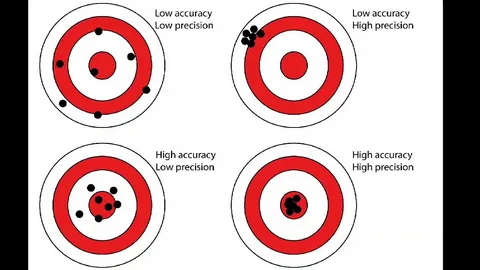
This accuracy improves operational efficiency for exchanges and financial institutions. It reduces compliance overhead while strengthening investigative reliability. As digital asset trading volumes grow, scalable and intelligent monitoring becomes essential. Search queries such as best crypto AML software, blockchain compliance solutions, and digital asset risk monitoring reflect growing demand for precision tools.
The Role of Artificial Intelligence in Crypto Crime Prevention
Artificial intelligence plays a central role in how the New system tracks blockchain money laundering. AI models process massive transaction datasets in real time, identifying subtle anomalies that indicate potential laundering schemes. Machine learning algorithms continuously refine themselves based on new data. When criminals adopt new obfuscation techniques, the system adapts accordingly. This dynamic capability represents a major improvement over static compliance systems.
Natural language processing also assists investigators by analyzing open-source intelligence, darknet activity, and wallet attribution data. Combined with blockchain analytics, these tools create a comprehensive risk assessment framework. As AI adoption expands across financial services, integration with blockchain monitoring represents a logical next step in combating financial crime.
Impact on Crypto Exchanges and Financial Institutions
For cryptocurrency exchanges, the reality that a New system tracks blockchain money laundering more efficiently offers both opportunity and responsibility. Exchanges operate at the frontline of digital asset flows. Regulatory compliance is essential for maintaining licenses and building institutional trust. Advanced AML tools help exchanges detect suspicious activity before it escalates.
Banks entering the crypto custody market also benefit. As traditional financial institutions integrate blockchain services, robust compliance infrastructure becomes non-negotiable. The ability to demonstrate real-time monitoring strengthens partnerships with regulators and enhances investor protection. In a market often criticized for opacity, improved transparency can drive mainstream adoption.
Regulatory Compliance and Global Standards
The development that a New system tracks blockchain money laundering aligns closely with international regulatory initiatives. Governments worldwide are implementing stricter AML frameworks for digital assets. The Financial Action Task Force has introduced the Travel Rule, requiring virtual asset service providers to share transaction originator and beneficiary information. Compliance technology must adapt to these mandates without undermining blockchain efficiency.
By integrating automated reporting capabilities, the new system streamlines regulatory filings and audit trails. This ensures that crypto platforms meet evolving legal standards while minimizing manual workloads. Regulators increasingly seek cooperation between technology providers and enforcement agencies. Advanced blockchain monitoring tools serve as a bridge between decentralized innovation and centralized oversight.
Strengthening Trust in Blockchain Technology
Public perception plays a critical role in blockchain’s future. Headlines about ransomware attacks and crypto scams often overshadow legitimate innovation. When a New system tracks blockchain money laundering more accurately, it reinforces the narrative that blockchain is not inherently anonymous or untraceable. In fact, blockchain’s transparent ledger structure makes forensic analysis possible at scale.
Improved detection systems enhance trust among institutional investors, retail users, and policymakers. They demonstrate that digital assets can coexist with strong compliance frameworks. As adoption of decentralized finance, NFTs, and tokenized assets grows, trust-building mechanisms become increasingly important.
Future Outlook for Blockchain Forensics
Looking ahead, the fact that a New system tracks blockchain money laundering signals broader transformation in financial crime prevention. Future iterations may integrate predictive analytics, identifying suspicious wallets before illicit transactions occur. Collaboration between analytics firms, exchanges, and regulators could create shared intelligence networks that strengthen global oversight.
As blockchain ecosystems evolve, so will criminal tactics. Continuous innovation in forensic technology remains essential. The convergence of AI, big data analytics, and distributed ledger transparency offers a powerful defense against illicit finance. Search interest in blockchain investigation tools, crypto transaction tracking, and digital asset compliance technology suggests growing awareness of the importance of these systems.
Conclusion
The reality that a New system tracks blockchain money laundering faster and more accurately represents a pivotal development in digital finance. As cryptocurrency markets mature and regulatory scrutiny intensifies, advanced compliance technology is no longer optional—it is essential.
By combining artificial intelligence, blockchain forensics, and real-time analytics, this innovation enhances transparency while preserving the decentralized spirit of blockchain networks. Exchanges, banks, regulators, and investors all stand to benefit from improved oversight and reduced financial crime risk.
See more: Iran Crypto Oversight Sparks Tougher U.S. Scrutiny and New Controls
